Terramycin Powder for Honeybees – Control Foulbrood Disease

Terramycin Powder for American Foulbrood Disease

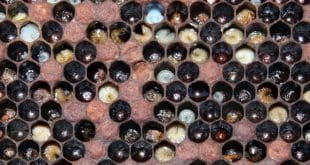
🐝 Beekeepers, are you prepared to defend your hives against American Foulbrood? This article introduces Terramycin powder, a powerful ally in the fight against this devastating bacterial disease. Learn how to use this antibiotic effectively to protect your bee larvae from infection and keep your colonies strong. With proper application and hive management, you can prevent the spread and ensure the longevity of your hives. Dive into our guide for all the details on using Terramycin responsibly. πŸ―πŸ”¬

Read More »

Sacbrood Disease Treatment and Management for Honey Bees

Sacbrood Disease

🐝 Beekeepers Alert! Discover how to manage and treat Sacbrood disease, a common viral threat to our honey bee larvae. This article dives into the symptoms, diagnosis, and effective management strategies to keep your colonies thriving. No cure doesn't mean no control! Learn about the importance of hive hygiene, requeening, and apiary management to safeguard your bees against this disease. Stay vigilant and proactive in protecting the future of your hives. #Beekeeping #SacbroodDisease #BeeHealth #ApiaryManagement #BeehiveHygiene #SaveTheBees 🐝✨

Read More »

How to Control Moisture in the Beehive

Moisture Control in the Beehive

Maintain the perfect balance of moisture in your beehives with our practical guide. Essential for beekeepers, this article explores effective strategies to control moisture levels, ensuring a healthy environment for your bees. Excess humidity can lead to mold growth and health issues in the hive, while too little can affect honey production. Learn about tools and techniques to manage hive humidity, from ventilation adjustments to the use of moisture boards, to keep your bees thriving all year round.

Read More »

How to Get Rid of Wax Moths in Beehives

Wax Moths in Beehives - Greater Wax Moth

Honeybee colonies face a great number of threats in their beehives. The wax moth is one of the many pests that can cause damage to bee colonies. There are two types of wax moths: the lesser wax moth and the greater wax moth. Both have similar methods of causing trouble in a beehive. The greater wax moth is more prevalent in beekeeping regions, and causes more damage than the lesser wax moth. In this article we will discuss how to treat wax moths in beehives, but first, let us take a look at the wax moth itself.

Read More »

How to Remove and Dispose of a Beehive

How to Dispose of a Beehive

Learn the safe and effective ways to dispose of a beehive with our comprehensive guide. Whether due to unsuitable hive locations, allergies, or structural damage, our article outlines crucial steps and considerations for beehive disposal. We cover everything from safety gear essentials to humane methods like using repellent odors. Perfect for beekeepers and homeowners alike, this guide ensures responsible and careful handling of these essential pollinators.

Read More »
Skip to content