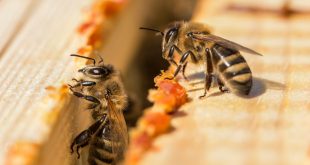
Bee Louse Treatment – Tips and Advice

The Bee Louse - Braula Coeca

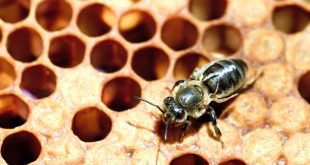
The bee louse is a parasitic pest of honey bees. It is often found on the head of the bee in an infestation. This is because the pest feeds on honey as well nectar from the mouth-parts of honey bees. Bee lice reproduce in the beehive. Their larvae burrow through honey comb and can cause a lot of losses in both brood and stored honey. Avoiding such losses is important in beekeeping. Severe infestations by the bee louse cost you your beehive products and weaken the honey bee colony. This guide leads you through understanding infestations and as well as providing tips and advice for bee louse treatment.

Read More »

Tropilaelaps Mite Treatment for Honey Bees

Tropilaelaps Mite Treatment

Honey bee colonies are susceptible to a variety of pests and diseases. Mites represent one of the biggest threats around the world, with different mite species parasitizing different bee species. One species of mite that parasitizes the honey bee is the Tropilaelaps mite. This mite, unlike other species, has received very little attention because it is less common and has been mainly found in Asia. However, today they are gaining attention as they have become a threat all over the world. This article sheds light on this parasitic mite and also explores Tropilaelaps mite treatment in beekeeping.

Read More »

Best Beehive Moving and Robbing Screens

Best Beehive Moving and Robbing Screens

Foraging by honeybees does not bring in resources all the time. When nectar is not abundant in the environment, honeybees can go robbing each other. Bees other beehives (natural or man-made) enter a beehive with a weak colony and take away honey. This is a problem that occurs at a small scale constantly but goes overboard when there is no nectar where honeybees forage. When robbing happens at a large scale, the affected colony of honeybees can starve to death. Beekeepers use various beehive management practices to prevent robbing. This review of the best beehive moving and robbing screens helps you choose the best screen for your beehive. It also explains the need for a screen to prevent robbing when moving bees in a beehive.

Read More »

How to Get Bees to Make More Honey

How to Get Bees to Make More Honey

Learn effective techniques to encourage honeybee colonies to produce more honey. This comprehensive guide covers beekeeping practices, hive management, and environmental factors that influence honey production. Whether you're a beginner or experienced beekeeper, these valuable insights will help you maximize your honey harvest. Discover tips on providing the right nutrition, hive maintenance, and optimizing bee colony health to ensure a bountiful honey yield. Elevate your beekeeping skills and boost your honey production with the tips shared in this informative article.

Read More »

Testing the Purity and Quality of Honey

Purity and Quality of Honey

Ensure the authenticity and quality of your honey with our insightful article. Ideal for beekeepers and honey connoisseurs, it details various methods to test honey's purity, including both traditional and modern techniques. This knowledge is essential for anyone looking to guarantee the quality of their honey, whether for personal use or commercial sale.

Read More »
Skip to content