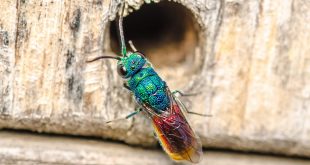
Mason Bees

Information related to the keeping and caring of mason bees.

How to Attract Mason Bees – Beginner’s Guide

How to Attract Mason Bees

Mason bees are closely related to honey bees, but they do not make honey. Mason bees get their name from their characteristic behavior of using mud like bricks to build their nests. They are a great alternative to keeping honey bees. There is an average of 200 mason bee species found in varying distribution around the globe. Mason bees are great pollinators, and are easy to keep. Starting mason beekeeping requires beekeepers to know how to attract mason bees, which we'll discuss in this article.

Read More »

Tips for Success with Mason and Leafcutter Bees

Tips for Success with Mason and Leafcutter Bees

Solitary bees are better at plant pollination than honeybees. Here is an exploration of solitary beekeeping and tips for success with mason and leafcutter bees. Mason bees get their name from using mud to build their nests. Leafcutter bees use bits of leaves to build their nests. They are unlike honeybees that live in a colony, and use wax among other materials such as propolis to make their habitat. Honeybees also produce honey and other beehive products. Strong jaws and large lips on mason and leafcutter bees are suitable for collecting materials for building nests. This article looks at best practices to help you with keeping, with a focus on mason and leafcutter bees. Use these tips for success with mason and leafcutter bees and enjoy great pollination for your plants.

Read More »

Best Mason Bee Houses: Getting Started

Best Mason Bee House

Most of us are familiar with the honey bee but very few people have ever heard of the mason bee, one of the best pollinators in the planet. Mason bees, just like honey bees, have been human’s companions for many years. Mason bees are tranquil and coexist peacefully with humans. These bees are an excellent choice for those who would like to increase the productivity of their garden. They also add an aesthetic value to your home. Mason bees pose little or no threat when kept in the home garden. They are easy to keep and with the best mason bee houses you can easily do so. Read more.

Read More »

The Ultimate Guide to Keeping Mason Bees

Keeping Mason Bees

Keeping mason bees is important to many people because of its function in plant pollination. This ultimate guide to keeping mason bees takes you through various practices for best result. Some bits of it are also applicable in leafcutter beekeeping. Both mason and leafcutter bees are native and solitary. They do not form colonies but instead make nests in hollow cavities. Their lifecycle is very unique and dependent on the seasons of the year. Each year, the old generation of mason bees dies so that there is new generation the following year. In this guide, you will get useful information about many things including the lifecycle of mason bees, how they make nests, setting up a mason bee house and harvesting cocoons.

Read More »

How to Wash and Store Mason Bee Cocoons
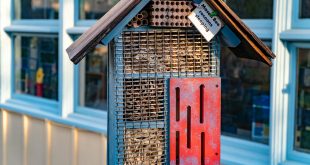
How to Wash and Store Mason Bee Cocoons
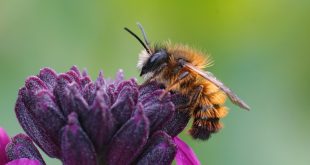
Being the better pollinator in comparison to honeybees has made mason beekeeping useful and popular. For best results with your mason beekeeping, here is a guide on how to wash and store mason bee cocoons. The guide covers the process of harvesting cocoons, cleaning them up, and storing them in the best way to ensure you get healthy mason bees from the cocoons. Poor harvesting, cleaning and storage techniques kill mason bees in their cocoons. It is important to wash mason bee cocoons for various reasons including disease and pest control. Equally important in storage in the right conditions so that mason bee cocoons remain viable. Handle mason bee cocoons with care when harvesting, washing and storing them. They contain living organisms in them that you do not want to hurt.

Read More »
Skip to content