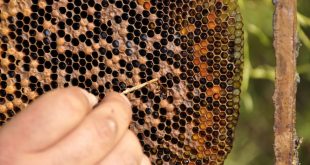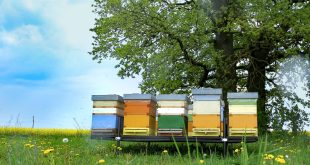
Beekeepers, beware of American Foulbrood (AFB), a fatal brood disease. It's a threat to colonies worldwide, not stress-related, and can hit even the strongest hives. Spread through spore-contaminated equipment and comb, early detection and strict management are crucial. Symptoms include sunken, darkened brood caps and a sulfurous smell. The 'Ropiness' test is key for diagnosis, but lab confirmation is needed. Treatment options are limited; antibiotics like Terramycin can control, not eradicate, the disease. Hygiene and bee behavior play roles in managing AFB, but severe cases may require burning infected hives. Prevention through vigilant apiary management, regular inspections, and minimizing equipment interchange is the best defense. Stay alert to protect your bees from this devastating disease. #Beekeeping #AmericanFoulbrood #BeeHealth
Read More »Best Oxalic Acid Vaporizers to Combat Varroa Mites
Oxalic acid vaporizers provide a very effective treatment option for Varroa mite control in honeybee colonies. Beekeepers using this mite control method have two options of application: vaporization and fogging. Vaporization is the most preferred method, as it ensures that the acid has spread to all areas of the beehive …
Read More »Beekeeping for Pollination – Why it’s Important
Beekeeping for pollination has become an increasingly important practice worldwide. Historically, bees were mainly kept for honey production, with pollination being a secondary benefit. However, with the rise in agricultural fields requiring pollination and a decrease in natural pollinators, renting honeybee colonies specifically for crop pollination has gained prominence. This approach is widely adopted, not just in the United States but globally, with thousands of bee colonies rented for this purpose. This shift highlights the critical role bees play in supporting agriculture and the broader ecosystem by facilitating the pollination of a diverse range of crops.
Read More »What are Drone Congregation Areas?
Discover the intriguing world of Drone Congregation Areas (DCAs) in our detailed article. These areas, vital for honeybee colony sustainability, are where drone bees gather to mate with virgin queen bees. Unique to honeybees, DCAs are typically located high above the ground near bee colonies. The mating process is critical, with drones preparing for it by bulking up on nectar and pollen. Witnessing a DCA, which can stretch up to 650 feet in length and form a conical shape, is truly a natural marvel. Our article provides comprehensive insights into these fascinating aspects of bee behavior and ecology.
Read More »Best Wooden Beehives for Beekeeping
Beekeeping methods adopted by across the world beekeepers varies immensely. This is attributable to the fact that the type or kind of beehive used has a huge impact on how honeybees are raised. There are so many types of beehives in use at the moment. Wooden beehives are particularly the most popular. If you have been wondering about the best wooden beehives for sale, then welcome aboard as we'll discuss just that in this article.
Read More »
BeeKeepClub Resources and Guides for Beekeepers