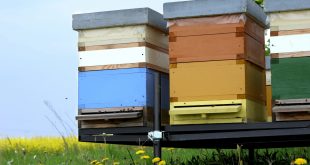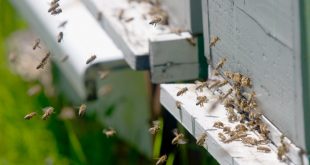
Conducting a beehive inspection is crucial for monitoring bee progress and hive health. It involves checking for colony health, brood status, and structural integrity. Beekeepers should avoid perfumes and wear protective clothing for safety. Regular inspections, ideally every two weeks, help in managing colony growth and identifying potential problems early. Newer hives need more frequent checks. The process requires gentle movements to minimize stress on bees. It's also important to maintain cleanliness and use a checklist for thoroughness. Modern hives with clear-view panels offer less intrusive inspection options. Always plan and carry out inspections with the bees' well-being in mind.
Read More »The Importance of Honey Bees in Agriculture
Delve into the crucial role of honey bees in agriculture with our insightful article. Essential for anyone interested in sustainability and food security, it emphasizes how these tiny pollinators are key players in the production of numerous crops. The article explores the symbiotic relationship between bees and plants, highlighting the importance of preserving bee populations for global agricultural health. It’s a compelling read that underscores why protecting bees is not just about saving a species, but also about securing our own food supply.
Read More »How to Make Natural Bee Smoker Fuel
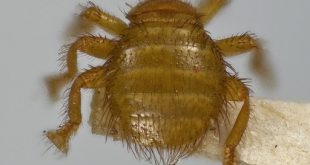
The practice of smoking bees has been about for centuries. It helps distract and lull the bees so as to keep them from stinging. You have various types of smoker fuel to choose from including the commercial bee smoker fuel. But did you know that you can make natural bee smoker fuel using locally available resources? Well, that is right. You can actually do it yourself and get a reliable smoker fuel within the comfort of your home. You need not utilize the common smoker materials such as wood shavings, burlap, or pellets. While these are effective bee smoker fuels, they tend to have a terrible smell. Furthermore, they do not help to get rid some pests such as the varroa mites.
Read More »How to Start a Honey Business that’s Profitable
Thinking of starting a honey business? This article provides valuable insights and steps to kickstart your venture successfully. Learn how to choose the right honeybee species, set up your apiary, and harvest honey efficiently. Discover marketing strategies and legal considerations for selling honey and related products. With this comprehensive guide, you'll be well-prepared to turn your passion for beekeeping into a thriving honey business. Don't miss out on the opportunity to delve into the world of honey entrepreneurship.
Read More »Heating Honey – Everything You Need to Know
Heating honey can alter its chemical composition and weaken its healthful ingredients. While beehive temperatures suggest moderate heat doesn’t harm honey, excessive heat during cooking can degrade its beneficial enzymes and antioxidants, affecting its flavor and potency. Ultra-fine filtration also diminishes honey's health benefits by removing beneficial pollen grains and organic materials. Safely heating honey involves avoiding direct heat and keeping temperatures close to those within a beehive, around 95º F (35 ºC). Techniques like the boiled water method, slow cooker warming, and using a honey warming bee blanket are recommended to maintain honey's natural properties.
Read More »
BeeKeepClub Resources and Guides for Beekeepers